Why Start Cricket Coaching at Age 3?
- Kevin Boudville
- Jan 11
- 4 min read
Cricket is more than just a game; it’s a passion that can ignite a lifelong love for sports. Starting cricket coaching at a young age, particularly at age 3, can lay a strong foundation for physical, social, and emotional development. In this blog post, we will explore the numerous benefits of introducing children to cricket early, the skills they can develop, and how to make the experience enjoyable and effective.

The Importance of Early Sports Engagement
Engaging children in sports from a young age has been shown to have numerous benefits. Here are some key reasons why starting cricket coaching at age 3 is advantageous:
Physical Development
Motor Skills: Cricket involves running, throwing, catching, and batting. These activities help develop fine and gross motor skills, which are crucial for young children.
Coordination: The game requires hand-eye coordination, which can be enhanced through practice. This skill is not only essential for cricket but also for other sports and daily activities.
Fitness: Early engagement in sports promotes a healthy lifestyle. Children learn the importance of physical activity, which can lead to lifelong habits of fitness and well-being.
Social Skills
Teamwork: Cricket is a team sport that teaches children how to work together towards a common goal. They learn to communicate, share, and support one another.
Friendship: Starting cricket at a young age allows children to make friends with peers who share similar interests. This can lead to lasting friendships and social networks.
Discipline: Regular practice and adherence to rules instill a sense of discipline in young players. They learn the importance of commitment and responsibility.
Emotional Growth
Confidence: Mastering new skills and participating in games boosts self-esteem. Children feel a sense of accomplishment as they improve.
Resilience: Cricket teaches children how to handle wins and losses gracefully. They learn to bounce back from setbacks, which is a valuable life lesson.
Focus: The game requires concentration and attention to detail. Children develop the ability to focus on tasks, which can benefit their academic performance as well.
What Skills Can Children Develop?
When children start cricket coaching at age 3, they can develop a variety of skills that will serve them well both on and off the field. Here are some key skills:
Basic Cricket Skills
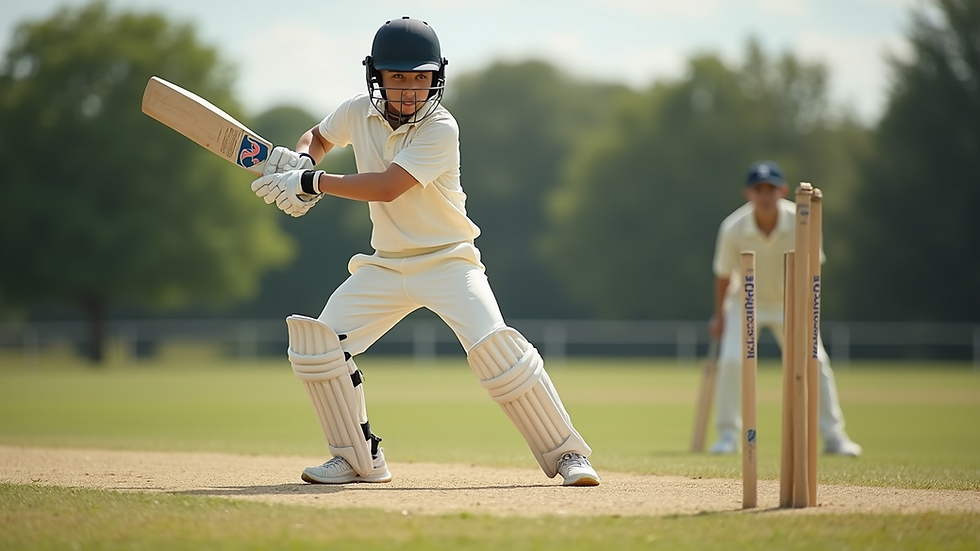
Batting: Children learn how to hold a bat, swing, and hit the ball. They practice different batting techniques, which can be refined as they grow.
Bowling: Young players are introduced to bowling techniques, helping them understand the mechanics of delivering the ball effectively.
Fielding: Catching and throwing are fundamental skills in cricket. Children practice these skills through fun drills and games.
Life Skills
Communication: Playing in a team requires constant communication. Children learn to express themselves and listen to others.
Problem-Solving: Cricket involves strategy and decision-making. Young players learn to think critically and make quick decisions during games.
Time Management: Balancing practice, games, and other activities teaches children how to manage their time effectively.
Making Cricket Coaching Fun
To ensure that children enjoy their cricket coaching experience, it’s essential to create a fun and engaging environment. Here are some tips for coaches and parents:
Use Games and Drills
Incorporate games and fun drills into practice sessions. For example:
Mini Matches: Organize small matches where children can apply what they’ve learned in a game setting.
Obstacle Courses: Set up courses that include running, throwing, and catching challenges to keep children engaged.
Keep Sessions Short
Young children have shorter attention spans. Keep coaching sessions to about 30-45 minutes to maintain their interest and enthusiasm.
Celebrate Achievements
Recognize and celebrate small achievements, whether it’s mastering a new skill or showing improvement. This positive reinforcement encourages children to keep trying.
Choosing the Right Coaching Program
When selecting a cricket coaching program for your child, consider the following factors:
Qualified Coaches
Ensure that the coaches are experienced and have a good understanding of how to work with young children. They should be able to create a positive and supportive environment.
Age-Appropriate Curriculum
The coaching program should be tailored to the age group. Look for programs that focus on skill development, fun, and teamwork rather than just competition.
Safety Measures
Safety should always be a priority. Ensure that the coaching program follows safety guidelines and provides appropriate equipment for young players.
The Role of Parents in Cricket Coaching
Parents play a crucial role in their child’s cricket journey. Here are some ways to support your child:
Encourage Participation
Show enthusiasm for your child’s involvement in cricket. Attend their practices and games, and celebrate their efforts, regardless of the outcome.
Provide Resources
Help your child access resources such as books, videos, or local cricket clubs. This can enhance their understanding of the game and keep them motivated.
Foster a Positive Attitude
Teach your child to enjoy the game for what it is. Emphasize the importance of having fun, learning, and making friends over winning.
Conclusion
Starting cricket coaching at age 3 can be a transformative experience for children. It not only helps them develop essential physical and social skills but also fosters emotional growth. By choosing the right coaching program, creating a fun environment, and supporting your child as a parent, you can set them on a path to enjoy cricket for years to come.
Encourage your child to embrace the game, and watch as they grow into confident, skilled players who appreciate the beauty of cricket. Whether they pursue it as a hobby or a competitive sport, the lessons learned on the field will last a lifetime.

Comments